Post-surgical swelling can feel confusing. One day the area looks better, the next it feels tight again. That is often why people ask about lymphatic drainage massage after surgery: how many sessions are enough, and when should they start?
The short answer is that many people book 3 to 10 sessions, but the right number depends on the procedure, swelling level, healing speed, and your surgeon’s instructions. Some people need only a few visits. Others, especially after larger cosmetic or reconstructive procedures, may benefit from several weeks of care.
This article is informational only and is not medical advice. Always follow your surgeon’s recovery plan before starting any massage or bodywork.

What lymphatic drainage does after surgery
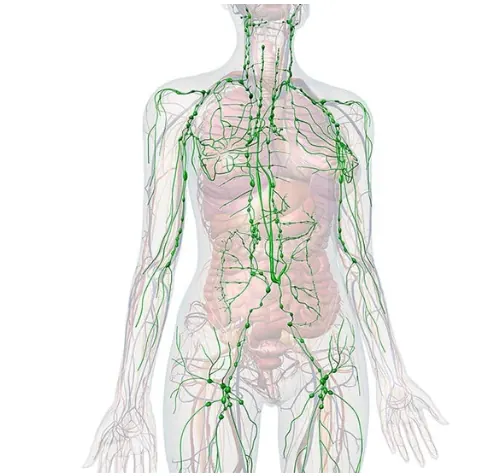
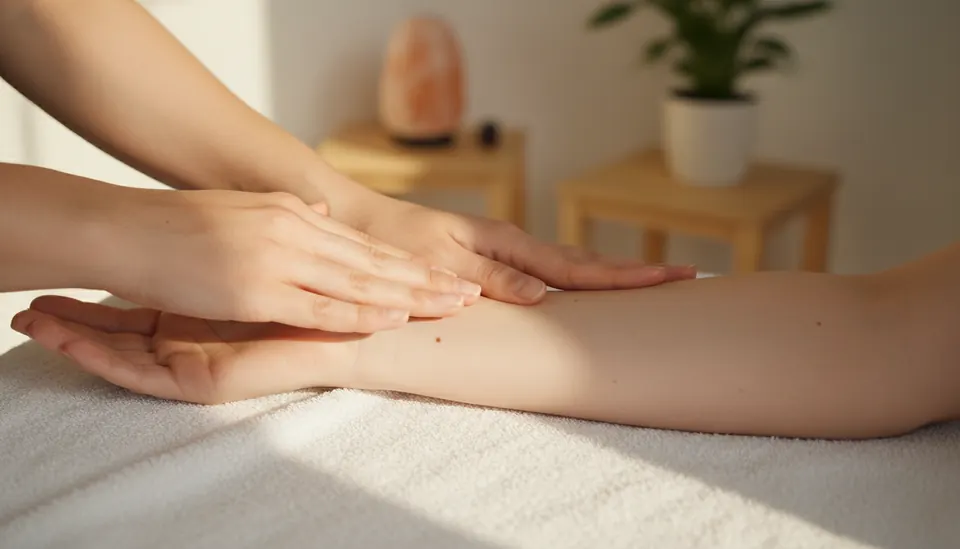
Lymphatic drainage massage is a light-touch technique that encourages lymph fluid to move through the body. The lymphatic system helps clear extra fluid, waste products, and immune cells from tissues.
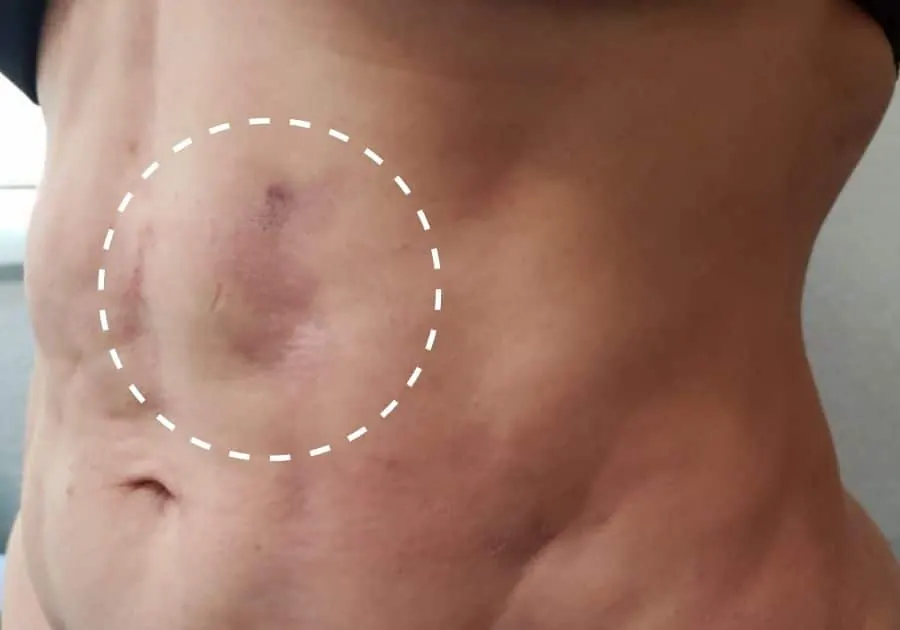
After surgery, swelling happens because the body sends fluid to the injured area as part of healing. Some procedures also disrupt small lymph vessels, which can slow fluid movement for a while.
Manual lymphatic drainage may help with:
- Swelling and fluid buildup
- Tightness or heaviness in the treated area
- Bruising, in some cases
- Comfort during recovery
Mobility when swelling limits movement
The pressure should usually be gentle. Deep tissue massage is not the same thing and may be unsafe too early after surgery.
The typical number of sessions after surgery
There is no universal number, but most recovery plans fall into a few common ranges.
| Surgery or recovery situation | Common session range | Typical timing |
|---|---|---|
| Minor procedure with mild swelling | 1 to 3 sessions | As needed after clearance |
| Liposuction or body contouring | 6 to 10 sessions | Often over 2 to 4 weeks |
| Tummy tuck or larger cosmetic surgery | 6 to 12 sessions | Often over several weeks |
| Facial surgery with mild swelling | 3 to 6 sessions | Spaced based on sensitivity |
| Complicated swelling or delayed recovery | 10 or more sessions | Only with medical guidance |
These are general patterns, not rules. Your surgeon may recommend more, fewer, or none.
A common starting schedule is 2 to 3 sessions per week during the early swelling phase, then fewer sessions as the tissue softens and swelling improves. Some people move to once weekly for maintenance during the later recovery period.
Why the number varies so much
The best schedule depends on what your body is dealing with. Two people can have the same procedure and need different levels of support.
The type of surgery matters
Procedures that cover a larger area usually create more swelling. Liposuction, tummy tucks, body lifts, and some reconstructive surgeries often involve more tissue trauma than a small outpatient procedure.
More swelling does not mean something is wrong. It often means the body is doing repair work.
Your healing speed matters
Age, hydration, activity level, nutrition, sleep, and overall health can affect recovery. People with certain medical conditions may need closer medical supervision before receiving massage.
If swelling is improving steadily, fewer sessions may be enough. If fluid feels stuck or firm, your provider may suggest a longer schedule.
Compression and movement matter
Lymphatic drainage is only one part of recovery. Compression garments, gentle walking, elevation, and staying hydrated often play a role when approved by your surgeon.
If you skip compression instructions or become too inactive, swelling may linger longer.
The therapist’s training matters
Look for someone trained in post-operative lymphatic drainage. A qualified practitioner should understand surgical precautions, incisions, drains, compression garments, and warning signs that require medical care.
When to start lymphatic drainage after surgery
Some surgeons allow lymphatic drainage within the first few days. Others want patients to wait longer, especially if there are drains, open incisions, infection concerns, or high bruising.
The safest answer is simple: start only after your surgeon clears you.
Avoid massage if you have:
- Fever or chills
- Severe or worsening pain
- Redness, heat, or discharge near an incision
- Shortness of breath or chest pain
- Calf pain or one-sided leg swelling
Any concern for infection or blood clot
Those symptoms need medical attention, not massage.

Signs you may need more sessions
A few sessions may be enough if swelling is mild and movement feels normal. You may need more support if:
- Swelling returns quickly after each session
- The area feels tight, heavy, or firm
- Clothing or compression garments still feel unusually restrictive
- Movement feels limited by fluid buildup
Your surgeon or therapist recommends continued care
Progress may be gradual. The goal is not to force the body to drain overnight. It is to support normal healing without irritating the tissue.
A good sign is that swelling stays down longer after each visit. The tissue may feel softer, and daily movement may feel easier.
How to plan your first few sessions
If you are unsure where to begin, ask your surgeon three questions:
- When am I cleared for lymphatic drainage?
- Are there areas that should be avoided?
How often do you recommend sessions for my procedure?
Then book a small starting package instead of committing to a long plan right away. After 2 or 3 visits, you and your therapist can judge how your body responds.
A practical first plan might look like this:
Week 1 after clearance 2 to 3 short, gentle sessions
Weeks 2 and 3 1 to 3 sessions per week, based on swelling
Week 4 and beyond Weekly or as-needed visits if swelling remains
Your exact plan should match your procedure and medical guidance.
The bottom line
Most people need 6 to 10 lymphatic drainage sessions after surgery, but the “right” number is the one that supports healing without overdoing it. Smaller procedures may need only a few visits. Larger surgeries may need several weeks of gentle care.
Start with your surgeon’s approval, choose a trained post-op therapist, and watch how your swelling responds. If each session leaves you more comfortable and the results last longer over time, you are likely on the right track.
Call or text for MLD massage: 619-586-0136